START Home Loans
Your credit score plays a critical role in securing a mortgage loan. Lenders use this numerical representation of your creditworthiness to assess the risk of providing a mortgage loan. A higher credit score typically results in better loan terms, including lower interest rates, while a lower score may lead to higher rates or difficulty in obtaining approval.

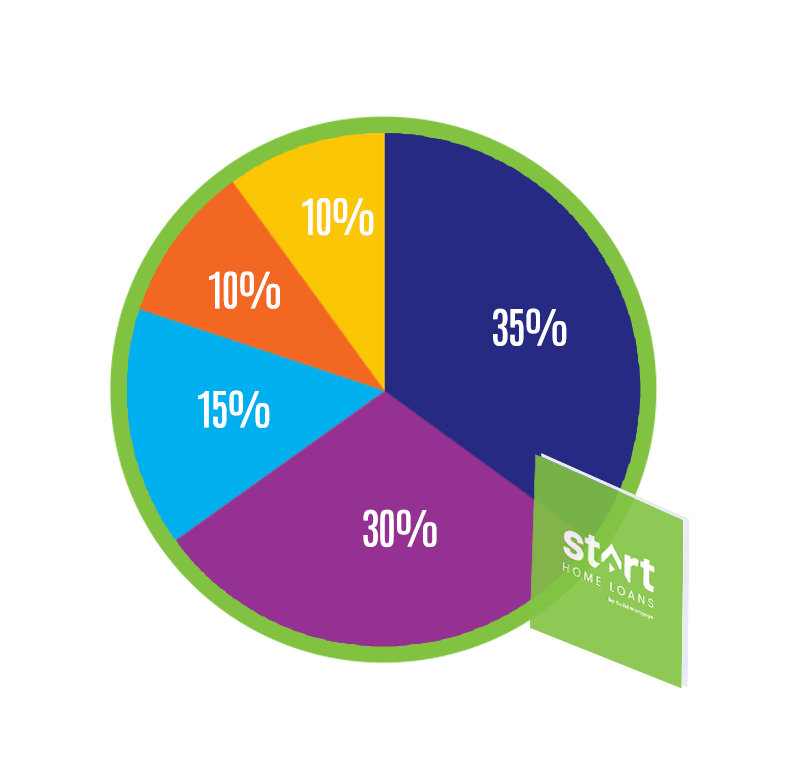
Credit scores are calculated using a variety of factors, including payment history, Outstanding debt, length of credit history, Inquires, and Mix of credit types. Each factor carries a different weight in the calculation, with payment history generally being the most significant.
While a good credit score is important for obtaining a mortgage loan, it doesn’t need to be perfect. Lenders understand that individuals may have varying credit histories and may consider other factors such as income, employment stability, and down payment amount. While many down payment assistant programs require a credit score of 620, individuals with scores as low as 500 may still qualify for FHA loans. However, a strong credit score can open doors to other financial opportunities, such as obtaining favorable insurance rates or buying a car.
When applying for a mortgage, lenders may conduct either a soft pull or a hard pull on your credit report. A soft pull, often used for pre-qualification or pre-approval purposes, doesn’t impact your credit score and provides a basic overview of your creditworthiness. In contrast, a hard pull, typically performed during the mortgage application process, can temporarily lower your credit score but provides lenders with a detailed credit history to assess your eligibility for a loan.
Pay on time and as agreed. Late payments, which can linger on your credit report, however, contacting the organization promptly in the event of an emergency or an inadvertent missed due date may result in flexibility, particularly if you have a strong history of on-time payments.
Ensure that your credit card issuers accurately report the correct credit limits on your account, as your credit utilization ratio, which compares the amount of credit you use to the amount available, plays a crucial role in enhancing your credit score when kept at 30% or lower. Maintaining low balances on revolving credit and strategically paying off debts, focusing on high-interest cards first while keeping other accounts current with minimum payments, can positively impact your credit score. Additionally, refraining from closing unused credit cards for temporary score boosts and avoiding unnecessary new credit card applications can safeguard against potential drops in credit scores.
Regularly monitoring your credit annually from each of the three major credit reporting agencies and correcting any incorrect information can help boost your credit score by ensuring accuracy and swiftly addressing discrepancies, thus presenting a more favorable credit profile to potential creditors.
Having no credit history can result in a low score, despite being financially responsible, as it takes time to establish creditworthiness without any prior history. If you are aiming to build a strong credit history, options like obtaining a secured card or becoming an authorized user on someone else’s account can be beneficial and help start your credit history. A secured credit card requires cash collateral for the line of credit. Many banks and lending institutions provide secured card options, with the majority reporting activity to credit bureaus, offering an opportunity to build credit. Use your card but keep the balances low and pay on time.